Finding an old film camera tucked away in a cupboard, garage, or inherited estate often raises a simple but surprisingly complex question: Is this actually worth anything? For many Australians, these cameras carry emotional weight. They belonged to a parent, grandparent, or relative who documented family history long before digital photography existed. At the same time, curiosity around the value of old film cameras is growing as interest in analogue photography continues to resurface.
The short answer is yes, some old film cameras are worth real money. Others are more sentimental than valuable. Knowing the difference is where things get tricky, especially if you’re new to the world of vintage photography gear. This guide explains what affects value, which brands tend to hold it best, and why expert, human valuation matters when deciding whether to keep, insure, or sell vintage cameras in Australia.
Why Old Film Cameras Can Still Be Valuable
Film cameras aren’t valued purely on age. A camera from the 1960s isn’t automatically more valuable than one from the 1980s, and “old” doesn’t always mean “collectible”. Value comes down to a mix of craftsmanship, brand reputation, mechanical reliability, and ongoing demand among photographers and collectors.
Many film cameras were built to extremely high mechanical standards. Fully mechanical shutters, precision-ground lenses, and metal bodies mean some cameras still function perfectly decades later. Add renewed interest in film photography, and certain models remain highly desirable.
Another factor is scarcity. Some cameras were produced in limited numbers or are becoming harder to find in working condition. Others gained legendary status because of how they were used by professional photographers, journalists, or artists. These stories matter in the resale and collector market.
For inherited cameras, especially, it’s common to underestimate value simply because the gear looks old or unfamiliar. This is why understanding the broader market matters before making decisions.
Film Camera Brands That Consistently Hold Value
While many manufacturers produced film cameras, only a handful of brands consistently attract strong resale demand. If you’re sorting through inherited equipment, recognising these names is an important first step.
Leica
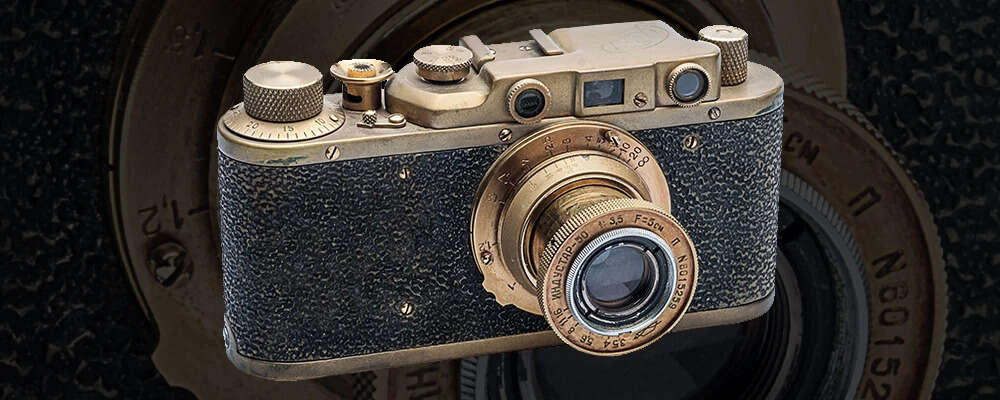 Leica remains one of the strongest names in vintage photography. Known for precision engineering and exceptional lenses, Leica rangefinders are widely collected and still actively used today. Models such as the M-series often command high prices, especially when paired with original Leica lenses.
Demand is driven by build quality, timeless design, and the fact that many Leica lenses remain compatible with modern systems. For Australians looking to sell Leica Australia, condition and originality play a huge role in determining value.
Rolleiflex
Rolleiflex cameras are instantly recognisable thanks to their twin-lens reflex design. Favoured by portrait photographers and documentary shooters, these medium format cameras are admired for their sharpness and mechanical reliability.
Collectors value Rolleiflex models that remain fully functional, particularly those with original Carl Zeiss or Schneider lenses. Even cameras showing cosmetic wear can hold respectable value if the mechanics are sound.
Hasselblad
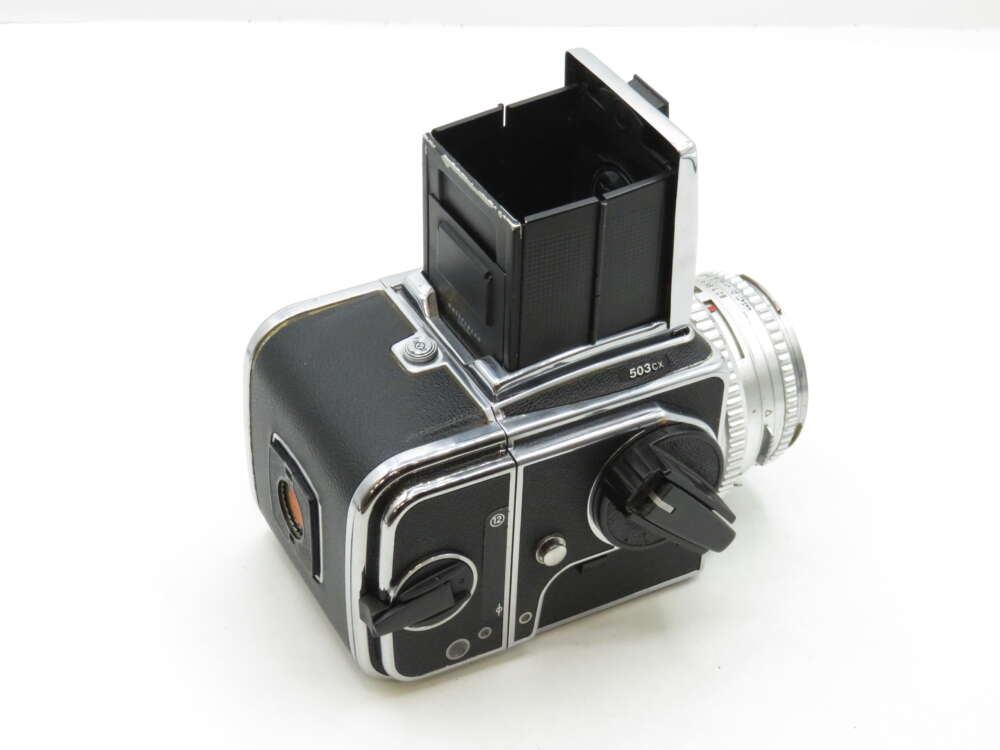 Hasselblad is synonymous with professional medium format photography. These cameras were built as modular systems, which means individual components. bodies, backs, viewfinders, and lenses can each carry value.
Certain Hasselblad models are highly sought after, especially when original parts are included. Their use in commercial photography and even space missions adds to their lasting appeal.
What Actually Determines the Value of Old Film Cameras
Understanding what drives pricing helps set realistic expectations. When professional buyers assess vintage gear, they look beyond appearance alone.
Mechanical condition matters most. Shutters must fire accurately, film advance should be smooth, and focusing mechanisms need to work correctly. A visually clean camera that doesn’t function properly is often worth less than a worn-looking one that operates perfectly.
Optics are equally critical. Lens haze, fungus, scratches, or separation can significantly reduce value. These issues aren’t always obvious to the untrained eye, which is why assumptions can be misleading.
Completeness also plays a role. Original lenses, caps, cases, boxes, and manuals can improve resale confidence. Missing components don’t automatically destroy value, but they influence demand and pricing.
Finally, market demand matters. Some cameras are beautifully made but difficult to resell because interest is limited. Others maintain strong followings and stable resale prices year after year. This balance is central to understanding the true value of old film cameras.
Why Expert Human Valuation Is Essential
Vintage cameras are not commodities. Two cameras of the same model can vary dramatically in value due to subtle differences that automated tools simply can’t assess accurately.
Algorithms often rely on online listings rather than confirmed sales. Asking prices, international markets, and poorly described items skew results, especially in Australia, where supply and demand differ from overseas markets. Automated estimates also struggle with variations such as early production runs, rare lenses, or professional-use histories.
Human valuation brings context. An experienced specialist can recognise desirable serial ranges, spot hidden mechanical issues, and understand which cameras actually sell rather than just sit online. This protects sellers from undervaluation and unrealistic expectations.
For families handling inherited gear, this expertise is particularly important. Selling without proper guidance can lead to rushed decisions or accepting offers that don’t reflect true market worth. Reputable antique camera buyers rely on human assessment for precisely this reason.
Selling Vintage Cameras in Australia: What to Watch Out For
Deciding to sell vintage cameras often comes with uncertainty. Private online sales can appear attractive but carry risks, including scams, disputes, and shipping damage. Pricing is another challenge, as sentimental value rarely aligns with market value.
Specialist buyers offer a more structured alternative. They understand how vintage gear moves in the Australian market and can explain valuations clearly. This transparency helps sellers make informed decisions rather than guessing or relying on overseas pricing benchmarks.
If you’re dealing with multiple items or an estate collection, expert guidance can also help prioritise what’s worth selling individually versus as a group.
Should You Sell or Keep an Inherited Film Camera?
Not every camera needs to be sold. Some families choose to keep a meaningful piece while selling others. Others decide to sell once they understand the realistic value and storage requirements.
Knowing where your camera sits on the spectrum, collectible, usable, or purely sentimental, makes this decision easier. A professional evaluation doesn’t force a sale; it simply gives clarity.
Talk to Paul for a Clear, Honest Vintage Camera Evaluation
If you’re unsure what your old film camera is worth, the best first step is a conversation with someone who understands both photography and the Australian resale market.
Paul offers expert, human-led assessments for vintage and inherited camera gear. He’ll explain what you have, why it’s valued the way it is, and what your options are without pressure or obligation. This is especially helpful if you’re considering antique camera buyers or exploring whether to sell vintage cameras locally or Australia-wide.
A short consultation can save time, prevent costly mistakes, and help you make a confident decision about your gear.
If you’ve inherited a film camera or discovered vintage equipment and want clarity rather than guesswork, speaking with Paul is the simplest way to understand its true value.