When people think about selling camera equipment, bodies usually get all the attention. Lenses and accessories are often treated as an afterthought, something to throw in just to clear space. In reality, lenses and supporting gear are often where the real value sits.
Across Australia, photographers looking to sell used camera gear are frequently surprised to learn that their lenses are worth more than the camera bodies they were paired with. If you’re selling camera lenses Australia-wide, understanding which items hold value, how condition affects pricing, and why bundling gear improves outcomes can significantly increase your return.
This guide explains what buyers actually look for when assessing second-hand lenses and accessories, and how to approach selling strategically rather than piece by piece.
Why Lenses Hold Value Better Than Camera Bodies
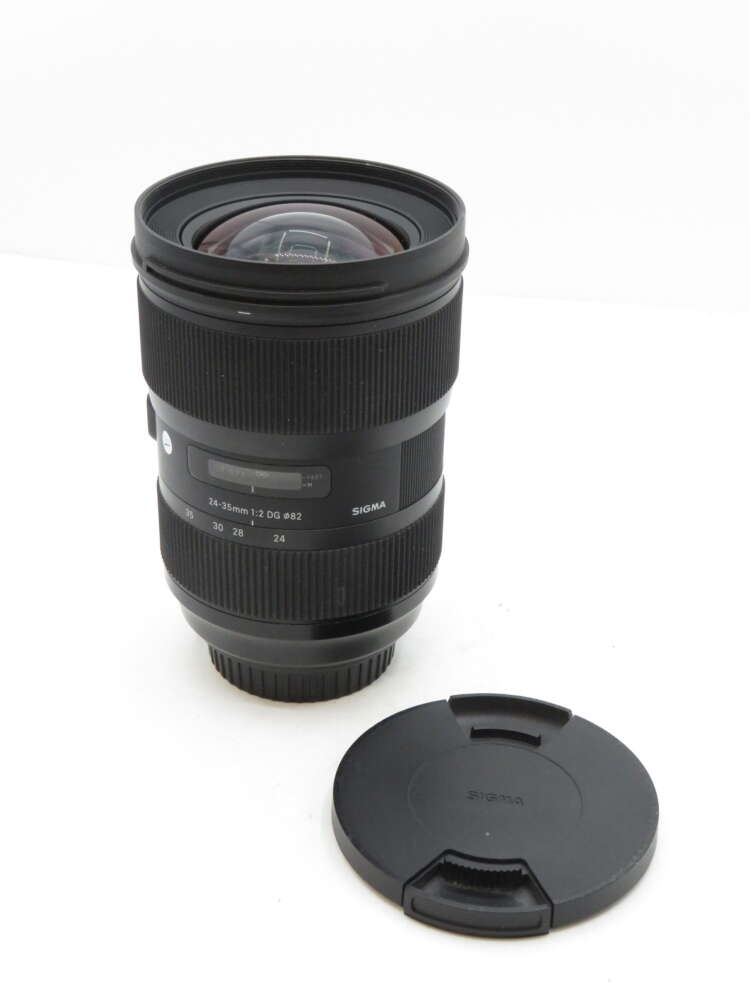
Camera bodies depreciate quickly as new sensors, autofocus systems, and video features are released. Lenses behave differently. A well-designed lens can remain optically relevant for decades, especially when it belongs to a mount that’s still actively supported.
Buyers are more willing to invest in quality glass because it outlasts individual camera bodies. That longevity is the main reason lenses often outperform bodies on the resale market.
For sellers, this means lenses deserve careful attention before being dismissed as low-value extras.
Which Camera Lenses Hold Value
Lens value is driven by long-term usability rather than short-term technology cycles. While camera bodies are replaced every few years, lenses remain relevant as long as they deliver strong optical performance and fit into supported systems.
Lenses that consistently hold value tend to share a few characteristics. They are optically strong, widely compatible, and desirable to photographers who are still actively shooting.
High-performing lens categories include:
-
Fast prime lenses with wide apertures
-
Professional-grade zoom lenses with constant apertures
-
Native lenses for current mirrorless mounts
-
Popular focal lengths used across multiple genres
Focal lengths such as 35mm, 50mm, and 85mm primes are perennial favourites. They appeal to portrait, street, and general photography, which keeps demand steady. On the zoom side, professional ranges like 24–70mm and 70–200mm remain among the most traded lenses because of their versatility and reliability.
Kit lenses, variable-aperture zooms, and entry-level third-party lenses typically depreciate faster unless demand is unusually strong. These lenses can still have value, but they rarely drive overall trade-in figures on their own.
Primes vs Zooms: How Buyers Think About Value

Prime and zoom lenses behave differently on the resale market, and understanding that difference helps set realistic expectations.
Prime lenses generally hold value better over time. Their simpler optical designs, faster apertures, and specialist appeal make them attractive to serious photographers. A well-maintained prime lens can remain desirable for many years, even as camera bodies change.
Zoom lenses can still perform well, but value depends heavily on specification. Professional zooms with constant apertures and robust construction tend to retain demand, while consumer zooms lose value more quickly. Buyers usually prioritise zooms that offer consistent performance across the focal range rather than convenience alone.
From a valuation perspective, primes often provide stronger returns per item, while professional zooms contribute more when sold as part of a complete working kit.
Accessories That Add Real Value
Accessories don’t usually carry the same resale weight as lenses, but the right accessories can meaningfully improve valuation outcomes. They help signal careful ownership and reduce friction for the next buyer.
Accessories that commonly support stronger valuations include:
-
Original lens caps and lens hoods
-
Manufacturer batteries and chargers
-
Tripod collars for telephoto lenses
-
Original boxes and packaging
-
Service or calibration records
These items rarely add large amounts individually, but together they reinforce condition and completeness. Missing essentials, such as caps or chargers, can slightly reduce offers because they add replacement costs for the buyer.
Not all accessories add value. Generic filters, worn bags, and low-quality third-party add-ons are usually treated as extras rather than price drivers. Their presence won’t harm valuation, but they shouldn’t be relied on to lift it either.
Condition Issues That Affect Lens Valuation
 Condition is one of the most important factors in lens valuation, and it’s also where sellers most often lose value unintentionally. Lenses are precision optical tools, and buyers focus far more on optical and mechanical integrity than on cosmetic appearance.
The most common condition issues that affect value include:
-
Fungus or haze inside lens elements
-
Scratches or coating damage on the glass
-
Stiff or uneven focus and zoom rings
-
Impact damage to mounts or filter threads
-
Decentered optics affecting sharpness
Fungus is the most significant value reducer. Even small patches can spread over time and limit resale options. Dust, on the other hand, is normal and expected in used lenses and rarely affects value unless excessive.
Cosmetic wear, such as paint loss or minor scuffing, generally matters less than optical performance. A lens that looks worn but performs perfectly will usually be valued higher than a pristine-looking lens with internal issues.
Aggressive cleaning and DIY repairs often cause more harm than good. Attempting to remove fungus or polish glass coatings can permanently reduce value. Honest disclosure and professional assessment protect outcomes far better than overhandling.
Why Bundling Gear Improves Valuation
Bundling is one of the most effective ways to increase average trade-in value. Instead of selling lenses and accessories individually, grouping compatible gear creates a clearer resale pathway for buyers.
When lenses are bundled with matching bodies or complementary accessories, they form a usable kit rather than isolated components. This reduces uncertainty, simplifies resale, and improves liquidity in the secondary market.
Bundling works particularly well when:
-
Lenses match the camera system being sold
-
Multiple lenses cover popular focal lengths
-
Accessories complete a functional setup
-
Condition is consistent across all items
From a buyer’s perspective, complete kits are easier to assess and resell than scattered individual items. That efficiency is often reflected in stronger overall valuations, even if individual item prices appear similar.
Bundling also reduces transaction friction. Fewer listings, fewer assessments, and simpler logistics make the gear more attractive to professional buyers, which supports better offers.
How Bundling Protects Value Over Time
Bundling isn’t just about immediate pricing. It also protects value during market shifts. When demand softens for individual items, complete kits often continue to move because they appeal to buyers looking for ready-to-use solutions.
For sellers, this means bundling can stabilise returns rather than exposing individual items to fluctuating demand. It’s particularly effective when selling multiple lenses that share a mount and usage profile.
Preparing Gear to Support a Strong Valuation
 Preparation doesn’t require restoration or cosmetic perfection. The goal is clarity and completeness.
Before valuation:
-
Avoid aggressive cleaning or repairs
-
Gather original caps, hoods, boxes, and accessories
-
Group compatible lenses and gear together
-
Make clear notes about condition and usage
Clear presentation and accurate disclosure help ensure valuations reflect true market value rather than assumptions or worst-case scenarios.
Why Professional Valuation Supports Better Outcomes
Professional buyers assess lenses and gear based on real resale demand, not optimistic listing prices. They understand which lenses move consistently, how condition affects resale viability, and when bundling improves outcomes.
This human-led approach is particularly important for sellers looking to sell second hand lenses without fragmenting value across multiple transactions.
Lenses and accessories often represent the most durable value in a camera kit. Treating them strategically rather than as afterthoughts is the difference between an average result and a strong one.
If you’re planning to sell used camera gear and want to maximise your trade-in outcome, PhotoCo Camera House offers free valuations with Paul, who will assess your lenses and accessories, explain their value clearly, and help you decide the most effective selling approach.