Choosing the right camera system shapes how you shoot, what you capture, and how your work is perceived. For photographers stepping beyond the basics, the debate around medium format vs full frame is timely and essential.
These two formats often represent a fork in the road: stay with a high-performing full-frame camera, or invest in the expanded capabilities of a medium format system.
This guide breaks it all down, from sensor sizes and depth of field to handling, speed, and use case fit. If you’re thinking about upgrading your camera system or simply want to understand what you’re gaining (or giving up), you’ll find the clarity you need right here.
What Defines Medium Format and Full Frame Cameras?
Understanding the difference between medium format and full frame cameras begins with sensor size, but it doesn’t end there. These categories are defined not only by physical dimensions but by how they affect image quality, creative control, and overall performance.
A full-frame camera features a sensor that’s equivalent in size to traditional 35mm film, approximately 36mm x 24mm. It’s considered the standard professional format, widely adopted in everything from weddings and events to documentary and commercial photography.
A medium format camera, on the other hand, uses a larger sensor, generally ranging between 44mm x 33mm and up to 54mm x 40mm. While exact sizes vary by manufacturer, the jump in sensor area creates distinct advantages in certain photographic applications.
Here’s how the two compare at a glance:
- Sensor size comparison: Medium format sensors are noticeably larger than full frame, capturing more light and detail.
- Pixel size: Larger pixels or greater spacing on medium format sensors often result in cleaner images at lower ISOs.
- Camera body size: Full-frame cameras tend to be more compact and lightweight, making them easier to carry and handle for fast-paced shoots.
- Lens options: Full frame systems offer more extensive lens lineups, while medium format lenses are more specialised.
- Cost: Medium format systems come with a higher price tag, but the image quality and depth are unmatched for certain use cases.
While both are classified as professional photography equipment, their real-world applications differ. Full frame offers speed, flexibility, and ecosystem variety. Medium format leans toward precision, subtlety, and high-end imaging needs for those seeking a long-term medium format camera investment.
Knowing what defines each system helps you narrow your decision based not just on specs, but on how you shoot and what you value in your images.
Sensor Size: The Foundational Difference
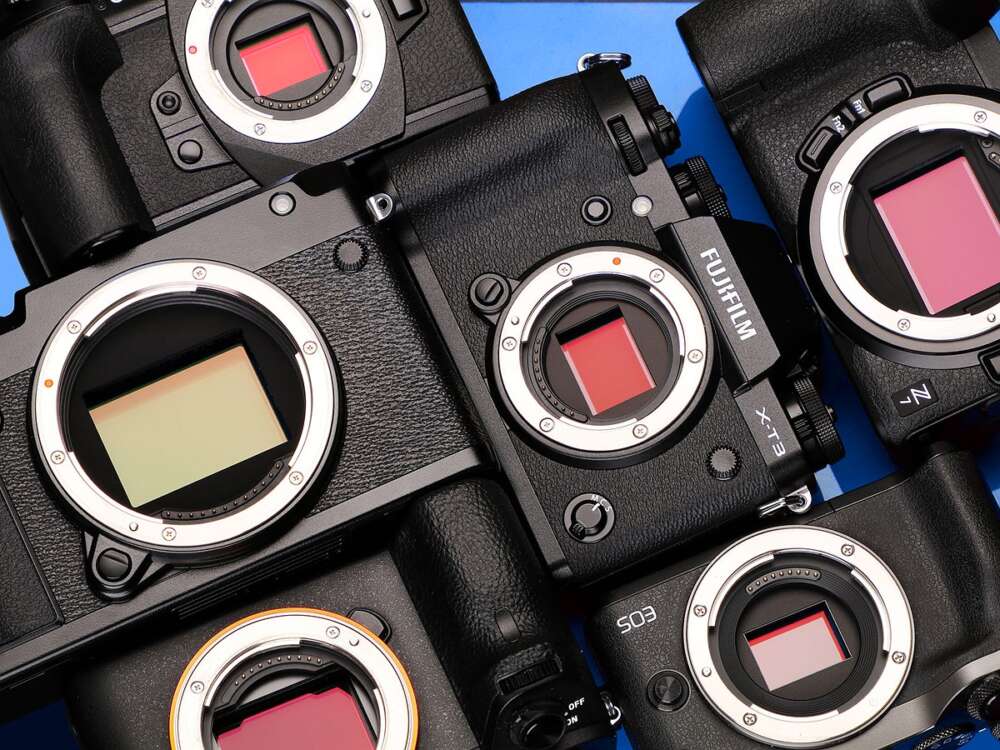 Among all technical specs, sensor size plays the most influential role in how a camera captures an image. Whether you’re considering a medium format camera or a full frame camera, understanding the sensor’s physical dimensions can clarify how it shapes your photography, from field of view to post-processing flexibility.
A sensor size comparison between the two formats reveals that medium format sensors are significantly larger than full frame ones. That increased area means more surface for light collection, which affects not just the quantity of pixels but the quality of data those pixels gather.
How Sensor Size Impacts Performance:
- Field of View: With the same focal length, medium format offers a narrower angle of view compared to full frame, often requiring wider lenses for equivalent compositions.
- Lens Performance: Medium format lenses are engineered to cover a larger image circle, leading to more consistent edge-to-edge sharpness and often more refined bokeh characteristics.
- Image Circle and Design: Full frame lenses project a smaller image circle, which simplifies lens construction but can result in corner softness. Medium format optics must maintain clarity across a wider circle.
- Dynamic Range: Larger sensors typically yield broader dynamic range, retaining detail in both shadows and highlights under high-contrast lighting.
- Resolution and Cropping: Medium format cameras often exceed 50MP or more, providing extra resolution that allows for extensive cropping without sacrificing image quality.
- High ISO and Noise Performance: Bigger pixels or better spacing between pixels on medium format sensors often deliver cleaner results at higher ISO settings, especially useful in low-light environments.
Sensor size also influences depth of field and compression. At this level, it’s clear why medium format continues to draw professionals seeking an edge in quality and subtle tonal transitions.
Image Quality Differences in Practice
On paper, the specifications of medium format and full frame cameras can seem marginal, with more megapixels here, a stop more dynamic range there. But in practice, those differences often become striking, especially in high-end workflows.
Photographers considering an upgrade are after noticeable improvements in tonal transitions, clarity, and how a camera renders the scene. Comparing a medium format camera to a full frame camera in real-world scenarios helps reveal why some photographers consider it a long-term upgrade worth the premium.
Resolution and Detail
Medium format systems often deliver resolutions upwards of 50 to 100 megapixels, compared to the typical 24–45 megapixels in full frame cameras. That added resolution translates to extraordinary detail, especially when printing large or cropping tightly.
You’ll see finer skin texture, subtle gradients in skies, and intricate detail in fabrics or foliage, elements that might blur or clip slightly with a smaller sensor.
Tonal Range and Colour Depth
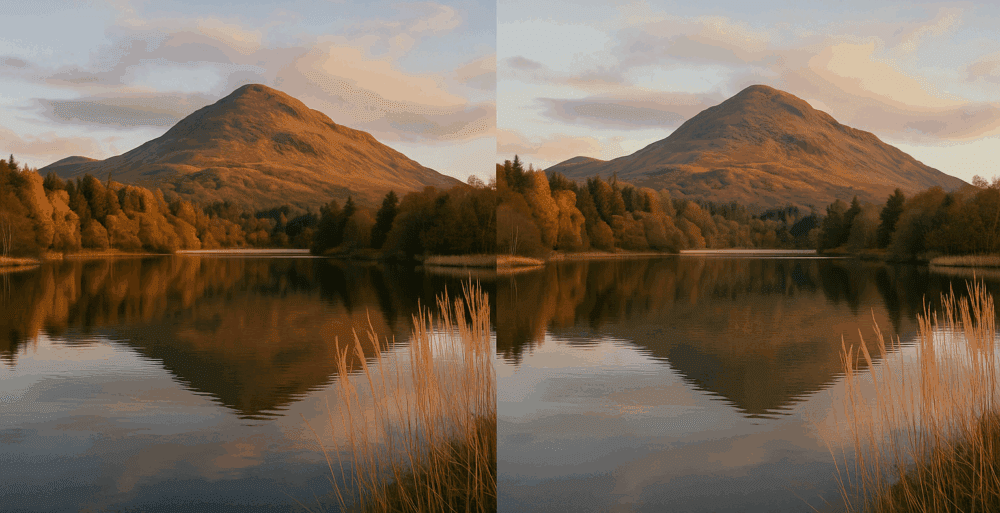 Dynamic range is where medium format truly shines. The broader tonal curve captures more nuances between shadows and highlights, making it easier to recover lost detail or preserve subtle transitions in post-production. Photographers working in portraiture or product photography appreciate how these cameras preserve smooth skin tones and material finishes without harsh contrast or banding.
Depth of Field and Background Separation
Though both formats can achieve shallow depth of field, medium format achieves it differently, producing a more gradual falloff from sharp to blurred areas. That visual softness gives images a dimensional quality that feels more immersive and natural.
While full-frame systems also offer excellent subject separation, they don’t replicate the same painterly background transitions often associated with medium format.
Low-Light Performance and Noise
Despite packing more pixels into the sensor, medium format cameras often produce cleaner images at higher ISO settings. This is due to either larger sensor dimensions or advanced pixel architecture. In low-light environments like studio shoots or twilight landscapes, you’ll notice less colour noise, better contrast, and more reliable shadow detail.
Photographers who demand subtlety, fidelity, and editing flexibility find that the image quality advantages of medium format cameras often justify the investment, especially when those differences directly impact client satisfaction or creative output.
Depth of Field and Lens Rendering
Depth of field influences not just sharpness, but also emotion, subject isolation, and how the eye travels through the frame. With a medium format camera, the larger sensor inherently produces a shallower depth of field when matched with an equivalent aperture and field of view. This quality creates a smoother, more gradual transition from focused subject to blurred background.
Subject separation in medium format is all about presence. The combination of large sensor size and matched lens design gives subjects a subtle three-dimensional pop, making portraits or styled scenes appear more lifelike. Background elements melt away with a softness that doesn’t distract, even when using narrower apertures.
Medium format lens rendering benefits include:
- Creamy, smooth bokeh with gradual transitions
- Strong subject separation creates dimensionality
- More natural and painterly background blur
Lens compression also behaves differently on medium format. Because a longer focal length is typically needed to achieve the same framing as a full-frame camera, you’ll see slightly more compressed backgrounds and a flatter perspective. The effect brings a cinematic, polished quality that’s difficult to replicate using smaller formats.
On the other hand, full-frame systems offer more accessible and flexible options with fast-aperture lenses. Photographers can still create a beautifully shallow depth of field with f/1.2 or f/1.4 primes, and full-frame gear tends to be lighter and faster in autofocus response. For wedding photographers or event shooters who need responsiveness and versatility, full-frame lenses strike a practical balance between creative blur and working speed.
Advantages of full-frame camera lenses:
- Availability of faster aperture lenses (f/1.2, f/1.4)
- Lighter, more portable setups
- Faster autofocus and better suited for fast-paced shooting
While both systems are capable, the lens rendering of medium format cameras delivers a unique visual character that appeals strongly to professionals aiming for refined, intentional imagery, particularly where subject intimacy and aesthetic nuance matter most.
Handling and Portability
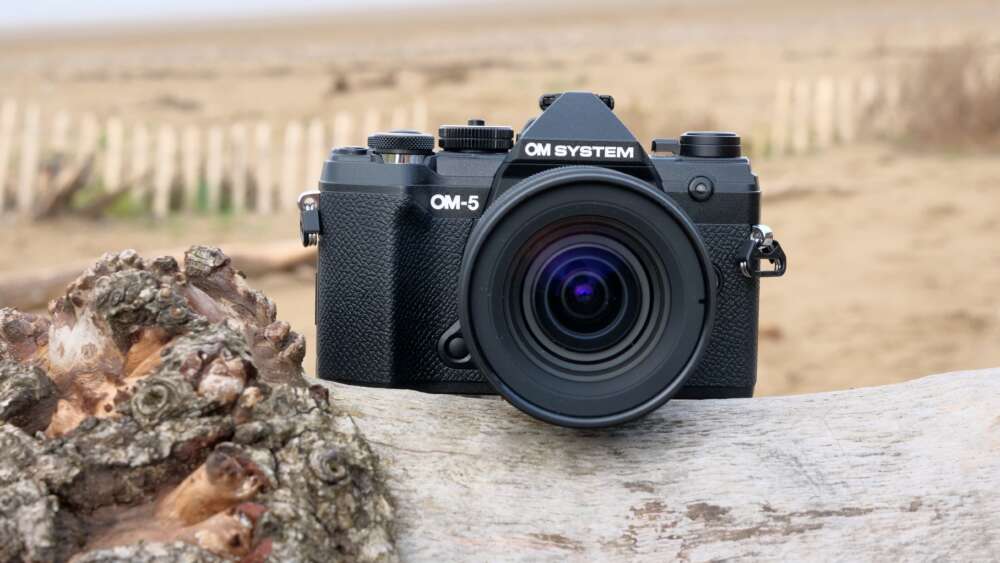 When choosing between medium format and full frame cameras, size and weight often become decisive factors, especially for photographers working on location or in fast-paced environments.
| Aspect | Medium Format Cameras | Full Frame Cameras |
| Size and Weight | Larger, heavier bodies and lenses | More compact and lightweight |
| Ergonomics | Designed for controlled environments; may be bulkier to hold for long periods | Optimised for handheld use and speed, often more comfortable for extended shooting |
| Suitability for Travel/Event Photography | Less convenient for travel or dynamic events due to the bulk | Ideal for fast-paced, mobile shooting |
| Workflow Flexibility | Often used in studio or planned shoots; may be paired with a full frame for hybrid setups | Highly versatile; commonly used as primary camera in multi-camera rigs |
Speed and Autofocus Capabilities
When it comes to capturing fast-moving subjects or working in unpredictable environments, speed and autofocus performance are crucial. Full-frame cameras generally lead in this area, offering faster continuous shooting rates, quicker autofocus systems, and superior subject tracking capabilities. These features make full-frame systems the preferred choice for sports, wildlife, event, and wedding photographers who need to capture decisive moments reliably.
Medium format cameras, while exceptional in image quality, often trade speed for resolution and dynamic range. Their autofocus systems and burst rates tend to be slower, reflecting their traditional focus on studio, fashion, and landscape work, where precision outweighs speed. However, recent advances in medium format technology have improved autofocus performance significantly, narrowing the gap for certain applications.
Speed and Autofocus Differences:
- Full frame cameras typically offer faster burst shooting (up to 20 fps or more) compared to medium format models (often 2–5 fps).
- Autofocus systems in full-frame bodies feature more autofocus points and better tracking algorithms.
- Medium format cameras excel in deliberate, composed shooting rather than high-speed action.
- Advances in medium format autofocus make them increasingly viable for portrait and commercial photography that requires moderate speed.
- Full frame’s quicker startup and processing times contribute to overall responsiveness.
Photographers prioritising speed and autofocus for dynamic scenes will find full-frame cameras better suited to their needs. Meanwhile, medium format systems continue to excel where image quality and tonal fidelity take precedence over rapid shooting.
Medium Format vs Full Frame: Price, System Longevity, and Investment Value
Investing in a camera system involves more than just the initial purchase price. Understanding how medium format and full frame cameras compare in terms of cost, durability, and long-term value helps photographers make informed decisions, especially when planning their gear setup for years to come.
Initial Cost and Accessibility
Medium format cameras come with a significantly higher price tag than full-frame cameras. This includes not only the camera body but also lenses and accessories, which are often more specialised and costly. Full frame systems, with their broader market presence, offer a wider range of options across various price points, making them more accessible to a larger audience.
Durability and System Longevity
Both medium format and full frame cameras from reputable manufacturers are built to professional standards, offering robust construction and weather sealing.
However, medium format systems often emphasise long-term durability and modular designs that allow upgrades to digital backs or lenses, supporting extended use over many years. Full-frame cameras tend to have faster product cycles but benefit from a larger ecosystem and more frequent updates.
Long-Term Investment Value
Purchasing a medium format camera is often seen as a strategic investment, especially for photographers who rely on exceptional image quality for commercial, fashion, or fine art work. The higher upfront cost can be offset by the longevity of the system and its ability to deliver superior results that justify premium pricing for clients.
Full frame cameras provide excellent value for versatility and speed, making them ideal for professionals who need reliable all-rounders without breaking the bank.
Use Case Comparison: Which Format Suits Which Photographer?
Choosing between medium format and full frame cameras often comes down to the type of photography you do and the environment you work in. Each format offers unique strengths that make it better suited for particular styles, workflows, and budgets.
Medium Format
Medium format cameras excel in high-end commercial photography, fashion shoots, fine art projects, and expansive landscape work. Their larger sensors capture extraordinary detail, enhanced dynamic range, and smooth tonal gradations, making them ideal for photographers who demand the highest image fidelity.
These systems thrive in controlled lighting environments such as studios or carefully planned outdoor shoots, where precise control over exposure and composition is possible. Medium format cameras are perfect for print-focused output—large gallery prints, high-quality advertising materials, or fine art exhibitions—where the resolution and colour depth truly shine.
The slower shooting speeds and bulkier form factor are less of an issue in these settings, where quality and detail take precedence over speed and portability. For photographers committed to delivering exceptional, premium-grade images, investing in a medium format camera is often a strategic decision that pays off over time.
Full Frame
Full-frame cameras offer versatility that appeals to a wide range of photographers. Their balance of image quality, portability, and speed makes them well-suited for weddings, events, travel, street photography, and video production. The availability of fast lenses and advanced autofocus systems supports shooting in dynamic, unpredictable situations.
Hybrid shooters who blend photo and video work often prefer full-frame systems for their broader video features and more compact setups. Budget-conscious professionals also appreciate the extensive ecosystem of lenses and accessories available at various price points.
Full-frame cameras excel when responsiveness and adaptability are critical, providing photographers with a reliable tool to work quickly without compromising image quality.
Summary Comparison Table
| Use Case | Recommended Format | Why |
| Landscape | Medium Format | Resolution & dynamic range |
| Event | Full Frame | Speed, low light, portability |
| Studio Portrait | Medium Format | Tonal depth, shallow DOF |
| Street | Full Frame | Size, responsiveness |
| Production | Medium Format | Detail & colour precision |
Film Medium Format vs Digital Medium Format
 Medium format photography has a rich history that spans both film and digital eras. Each approach offers unique advantages and appeals to different types of photographers. Understanding the distinctions between film and digital medium format systems can help you decide which best suits your creative vision and workflow.
History of Medium Format Film
Medium format film cameras have played a pivotal role in professional photography since the early 20th century. Using larger film sizes, typically 120 or 220 roll film, they offered significantly higher image quality compared to the smaller 35mm format. This increase in film size allowed for richer detail, better tonal gradation, and smoother colour transitions.
Iconic medium format film cameras, such as the Hasselblad 500 series, Mamiya RB67, and Rolleiflex twin-lens reflex cameras, became staples in studio and commercial photography. Their reputation for precision and sharpness made them favourites among portrait, fashion, and landscape photographers.
Beyond technical specifications, the medium format film process encouraged a more deliberate, thoughtful approach to photography. The tactile experience of loading film, manual focusing, and developing images appealed to artists who valued craftsmanship and patience.
Even with the rise of digital photography, many photographers continue to appreciate the organic grain structure and unique tonal qualities that film imparts, which digital sensors often strive to replicate.
Current Film Camera Options Still in Demand
Though no new medium format film cameras are being produced, many vintage models remain highly sought after by photographers who appreciate analog workflows and the distinct qualities of film. These cameras are prized for their build quality, image rendition, and timeless design.
Popular medium format film cameras still widely used today include:
- Hasselblad 500 and 503 series: Renowned for their modular design and exceptional optics.
- Mamiya RB67 and RZ67: Favoured for their versatility and smooth operation in studio settings.
- Pentax 67: Known for its familiar 35mm-style handling with larger negative size.
- Rolleiflex twin-lens reflex cameras: Iconic for portraiture and street photography with a unique waist-level viewfinder.
The continued availability of quality film stocks and professional development labs ensures that these cameras remain practical choices for artists seeking a hands-on photographic experience.
Photography enthusiasts in Adelaide can also explore second-hand medium format film cameras and accessories available at PhotoCo Camera House, making it easier to find classic gear locally.
Digital Medium Format Systems
Digital medium format cameras have revolutionised the photography industry by combining the large sensor benefits of traditional medium format film with the flexibility and convenience of digital technology. These cameras offer exceptional resolution, wide dynamic range, and colour fidelity, making them the go-to choice for professionals in commercial, fashion, and fine art photography.
Some of the leading digital medium format systems available today include:
- Fujifilm GFX series: Known for delivering outstanding image quality in a relatively compact and affordable package. The GFX line appeals to photographers seeking medium format performance with greater portability.
- Hasselblad X1D and H series: Blending Hasselblad’s legendary craftsmanship with modern features, these cameras provide excellent ergonomics and remarkable colour science.
- Phase One XF and IQ series: The pinnacle of digital medium format technology, offering ultra-high resolution sensors and customizable features tailored for demanding commercial and fine art work.
Digital medium format cameras excel in delivering images with incredible detail and tonal range while enabling faster workflows thanks to instant previews, higher shooting speeds, and seamless integration with editing software.
Creative and Nostalgic Appeal of Film vs Convenience of Digital
Film medium format cameras offer a nostalgic and tactile experience, prized for their organic grain, unique tonal qualities, and slower, more intentional shooting process. Many photographers cherish the artistic connection film provides.
Digital medium format, meanwhile, delivers unmatched convenience with instant image review, faster shooting, and easy editing workflows, making it ideal for professionals needing efficiency without compromising image quality. Both formats have their creative merits, appealing to different artistic preferences and project requirements.
Whether you’re drawn to the timeless charm of film or the cutting-edge performance of digital medium format, PhotoCo Camera House in Adelaide offers a wide range of cameras and accessories to support your creative journey. Here’s why PhotoCo is a top choice for photographers:
- Extensive selection of second-hand medium format film and digital cameras
- Expert advice tailored to your photography needs
- Competitive pricing and frequent deals
- Reliable local service and fast shipping across Australia
- Trusted by both hobbyists and professionals alike
Explore their collection today to find the perfect gear for your photography style.